South Asian bridal makeup in London: what to ask for
Bridal7 min read
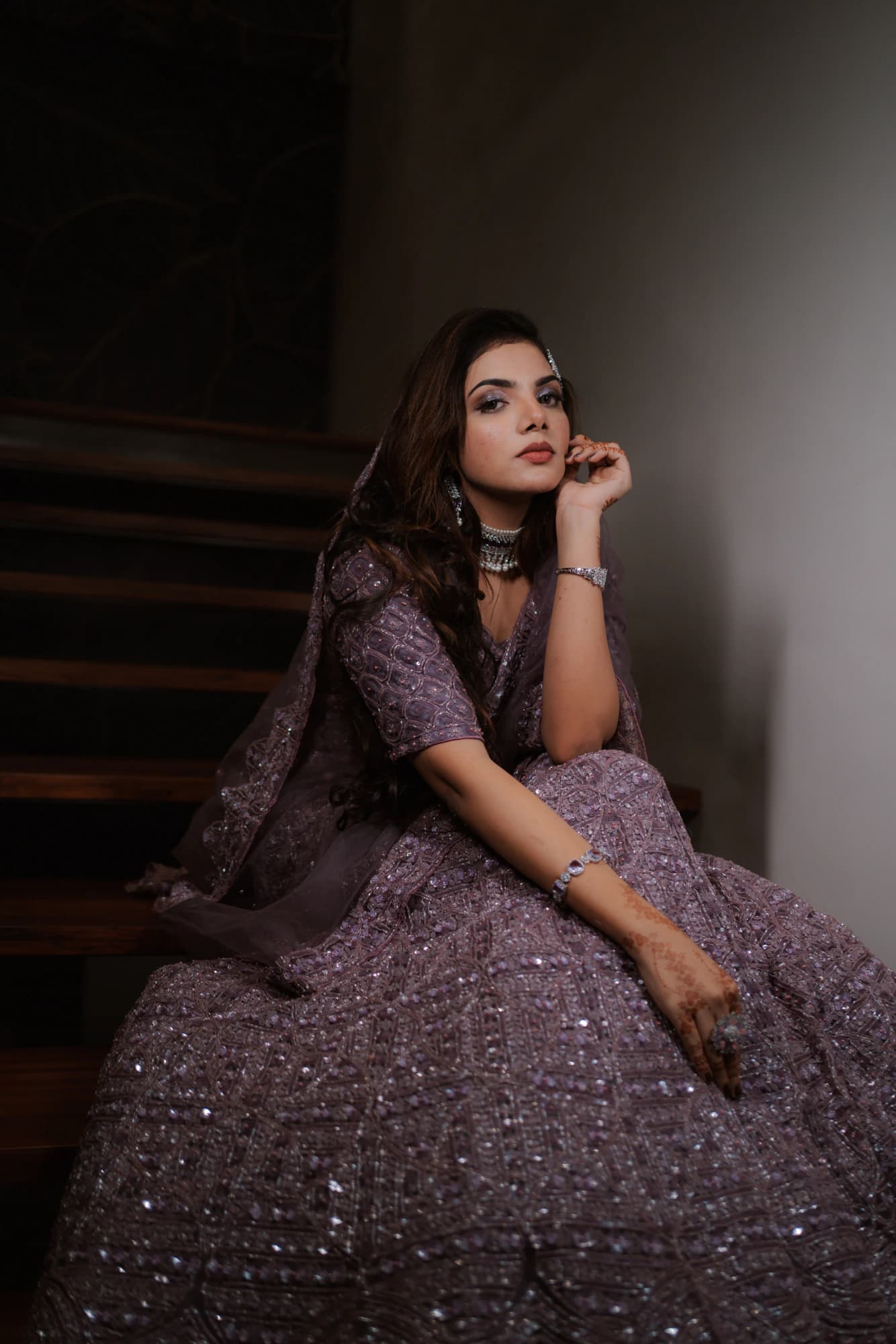
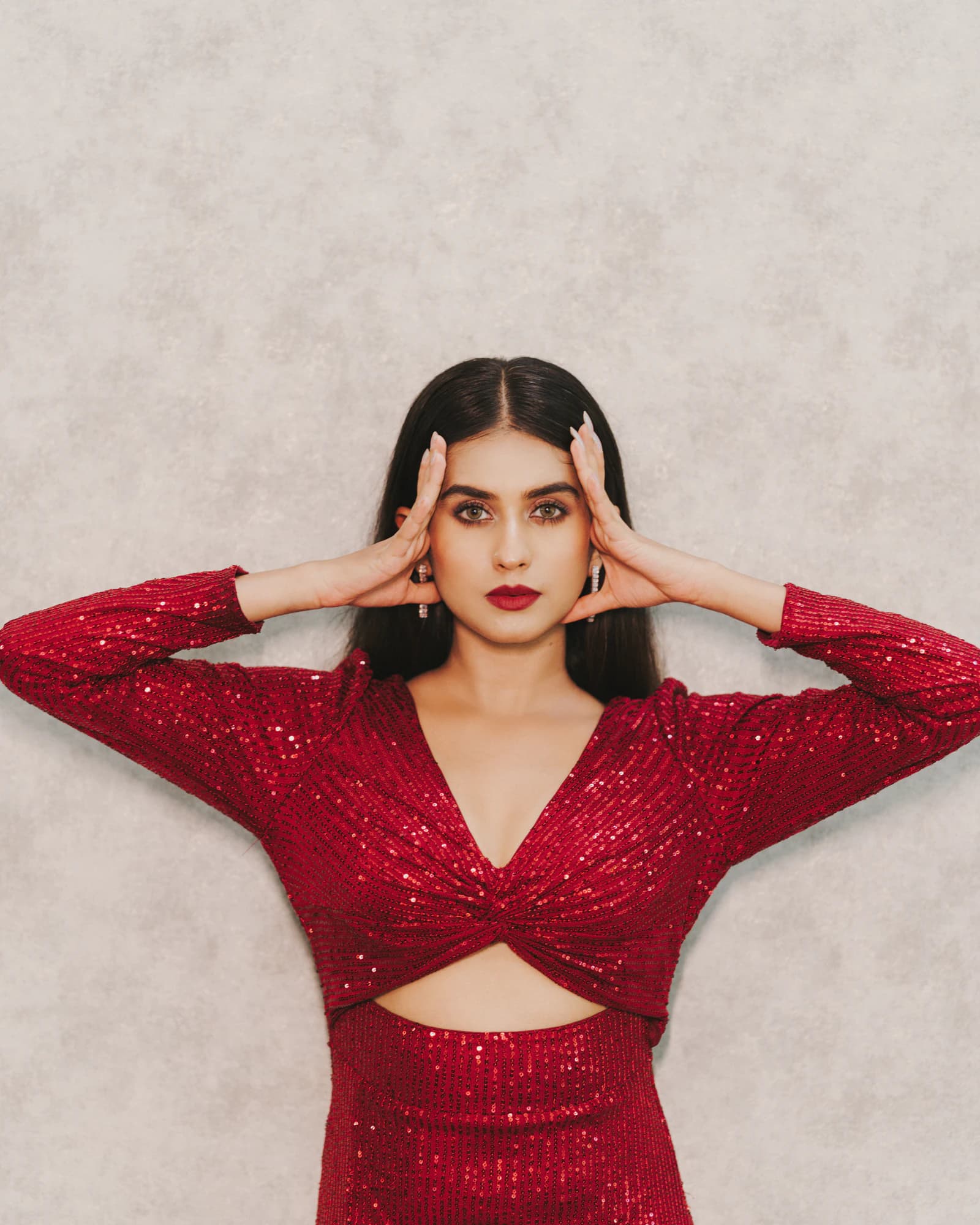
South Asian bridal makeup is a different technical brief, not simply a heavier one. Two things decide it. Undertone, because golden and olive skin turns orange or grey under foundations balanced for pink. And endurance, because most brides wear a full look for twelve hours across two or three events. Ask an artist about both before you ask about price.
Ask ten London artists whether they do South Asian bridal makeup and ten will say yes. The question does not separate anybody, because it is the wrong question. What separates artists is whether they can match an olive undertone under a marquee light, and whether the base they build at 6am is still the same colour at 10pm. Everything else — the eye, the liner, the lash weight — is craft that most competent artists have.
This is the brief we would want to be given, written out as the things worth settling before a deposit changes hands.
Undertone is the whole problem
South Asian complexions span an enormous range of depth, but they share a tendency that most mainstream shade ranges were not built around: a warm, golden cast, frequently with an olive component underneath. Olive is its own undertone. It is not a neutral with a suntan, and treating it as one is how a base ends up looking chalky in daylight and muddy under flash.
The second half of the problem is oxidation. Foundations shift colour over a few hours as pigment reacts with skin oils and air, and the shift is almost always towards orange. On pale, pink-toned skin a half-shade drift is barely visible. On warm or olive skin it is the difference between a match and a mask, and it happens after your artist has left.
What a good artist does about it:
- Matches on the jaw and neck, in daylight, not on the back of a hand under a ring light. Your neck tone is the honest one.
- Waits, then looks again. A shade is checked after ten or fifteen minutes on the skin, because that is when oxidation starts to declare itself.
- Mixes. Almost no South Asian bride is a single shade straight from a bottle. Custom-blending two or three, plus a drop of a neutraliser, is normal practice and not a sign of an unprepared kit.
- Builds thin. Thin layers oxidise less and photograph better than one thick one. Coverage comes from where it is placed, not from how much is used.
- Sets deliberately, with translucent powder only where the skin actually moves oil, because powder everywhere is what makes a base look flat in photographs.
Twelve hours, not four
A South Asian wedding day is long in a way that changes the technical decisions. A nikkah at noon and a reception that finishes past midnight is a normal Saturday, and the base has to survive a mosque or a hall, a car, an outdoor photo set, a dance floor and a meal, usually with a heavy dupatta being pinned and re-pinned across it.
That argues for a base built for wear rather than for the first hour: a mattifying primer where you shine, thin layers, powder placed rather than dusted, and a setting spray as the last step. The full method is in why makeup for photography is different and how to make makeup last all day — both apply here, doubled.
One wedding, three faces
Most South Asian weddings are a sequence rather than a day, and each event wants something different. Booking one look for all of them is the most common planning mistake we see, closely followed by booking three identical ones.
| Event | The look | Practical note |
|---|---|---|
| Mehndi / mayun | Bright, warm, colour-led. Lighter base | Henna and food. Choose a lip that survives both |
| Nikkah | Softer, more classical. The most photographed face | Often the earliest start of the week |
| Walima / reception | The heaviest look. Full eye, lash, contour | Longest wear, latest finish, most artificial light |
| Civil ceremony | Lighter than all of the above | Frequently a weekday, and frequently forgotten in the budget |
Two rules make the sequence work. The nikkah look should be the one you would choose if there were only one photograph, because in ten years it usually is. And the heaviest look goes last, since building up across a week is far kinder to skin than stripping back from a full face every night.
Hair, under a dupatta
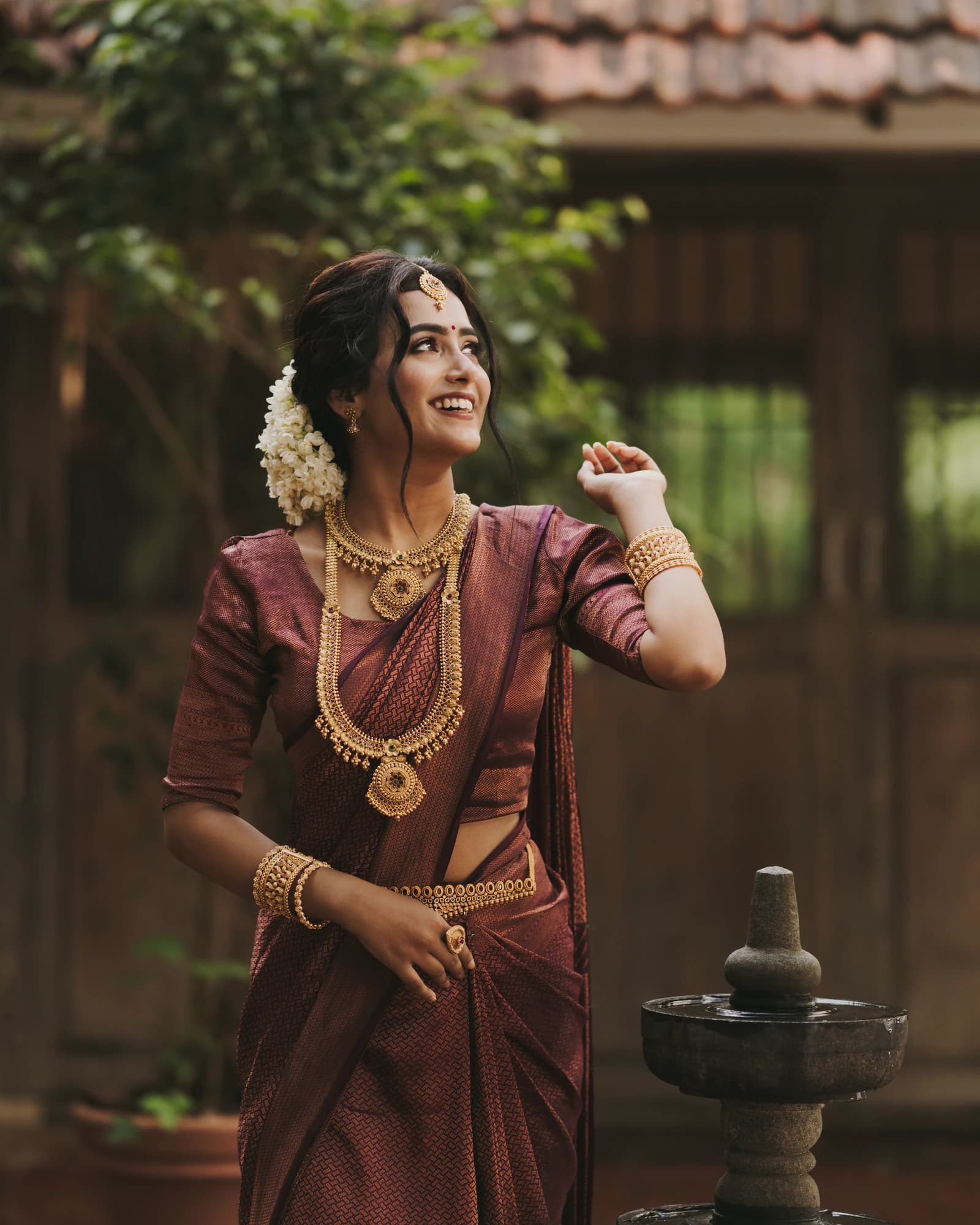
This is the part almost nobody raises at the enquiry stage and almost everybody raises at 8am. A dupatta is not a veil. It is weight, pinned into hair that then has to hold that weight for hours, and it changes what a hairstyle can be.
- Bring the dupatta to the trial. Its weight, its border and where it pins all decide the shape underneath it.
- Decide the pinning points with your artist, not on the morning. A dupatta pinned into a style built to be pinned holds; one pinned into a style built to be pretty collapses.
- Place the maang tikka or matha patti before the final set, not after. Retrofitting a headpiece into finished hair is how a parting ends up crooked in every photograph.
- Account for extensions. They add weight and they add grip, and they change how long the hair takes — which is a timeline question as much as a styling one.
- Plan the change. If the dupatta comes off for the reception, someone has to know how the style looks underneath it, and that someone should not be finding out live.
What it costs in London
London bridal beauty runs above the national average, and multi-event weeks compound it. Our own pricing, in full:
| Package | Inner London | Outer London |
|---|---|---|
| Silver — branded products, basic hairstyle | £250 | £300 |
| Gold — luxury products, lenses, lashes, hair of your choice | £350 | £450 |
| Diamond — all-premium base, lashes, lenses, extensions | £500 | £550 |
Guests and bridesmaids are £75 for makeup, £100 with a hairstyle, and £180 for premium party glam with lashes and lenses. Travel is charged by distance, and distant bookings need accommodation when the start time is early enough to make a same-morning drive unrealistic. The full picture of what London charges, and why the range is so wide, is in how much bridal makeup costs in London.
The number that surprises people is not the bridal package. It is the party of eight who all want hair and makeup on the same morning, which is a staffing question — and a timeline question — long before it is a price question.
Six questions worth asking
- Can I see full galleries of brides with my skin depth and undertone? Not a grid of highlights. Three complete weddings tells you far more than thirty best frames.
- Do you custom-mix foundation? The answer should be immediate and unremarkable.
- What do you do about oxidation? An artist who has thought about it will describe a method. An artist who has not will describe a brand.
- How long do you need for me, and for each guest? Then check it against the wedding morning timeline before you agree a start time.
- Will you stay for the dupatta and the jewellery? Setting a look and leaving before the headpiece goes on is a common and avoidable gap.
- Are you booking me, or booking a team? For multi-event weeks, find out now who is actually in the room on each day.
If the photography side is still open, the same care applies to who is holding the camera — planning Nikkah photography in London covers the coverage question, and how to choose a wedding photographer in London covers the contract one.
Common questions
Why does my foundation look orange by the evening?
Almost always oxidation — the pigment reacting with your skin's oils and shifting warm over a few hours. It is more visible on golden and olive undertones. The fixes are a shade chosen after it has settled on the skin rather than straight from the bottle, a primer that acts as a barrier, thin layers, and powder where you actually produce oil.
Do I need a separate trial for each event?
No. One trial for the heaviest look, plus a conversation about how the others step down from it, is enough for most brides. Book a second trial only when two events want genuinely unrelated looks — a very light civil ceremony and a full walima, for instance.
How early does the artist need to start for a nikkah?
Count backwards from when the photographer needs you ready, not from the ceremony. For a bride plus three guests, that usually means a start four to five hours before you leave the house. Nikkah mornings are the most compressed in the calendar and the most likely to run late.
Can I wear coloured contact lenses with bridal makeup?
Yes, and they are included in our Gold and Diamond packages. Put them in before the eye makeup is finished rather than after, wear them once beforehand to check your eyes tolerate them for a full day, and bring the case and solution with you.
Sources
- South Asian Skin Tone: What It Means & Why It Matters For Makeup — House of Makeup
- Makeup Artists Agree: These Are the Best Foundations for Asian Skin Tones — Who What Wear
- How to Choose the Right Foundation Shade for Indian Skin Tones — Iba Cosmetics
- Your Guide to Wedding Beauty Costs: Hair, Makeup & More — Bridebook